


Entertainment booking
Breakthrough Xclusive - Bespoke Entertainment Solutions

All rights reserved.
The Paper Wind
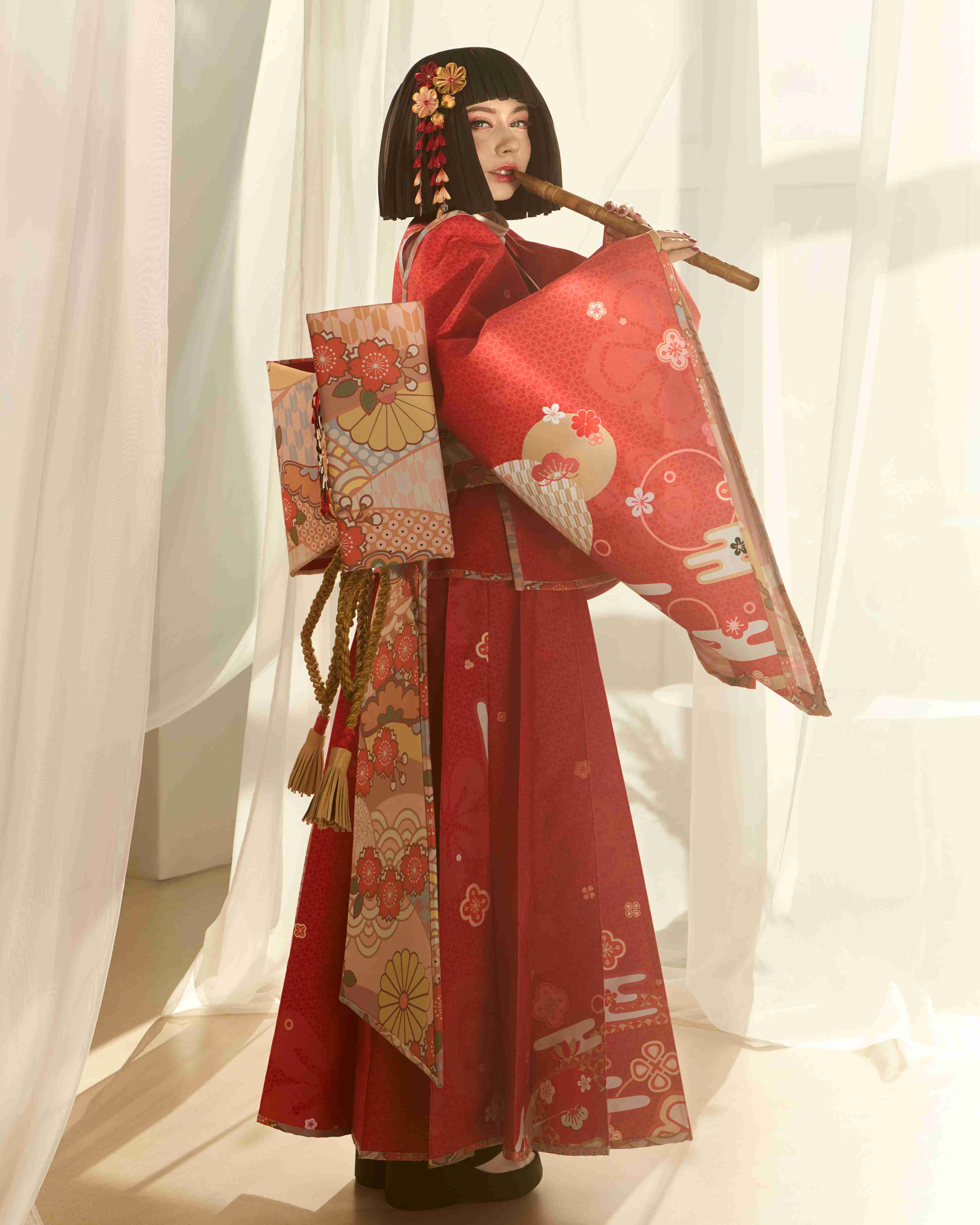
The story unfolds not as a linear narrative, but as a living procession, where meaning is revealed through movement, pauses, and carefully crafted visual imagery. Like a book coming to life, characters appear one after the other, presenting itself and then dissolving into the story flow, allowing the viewer to enter the narrative at any moment.
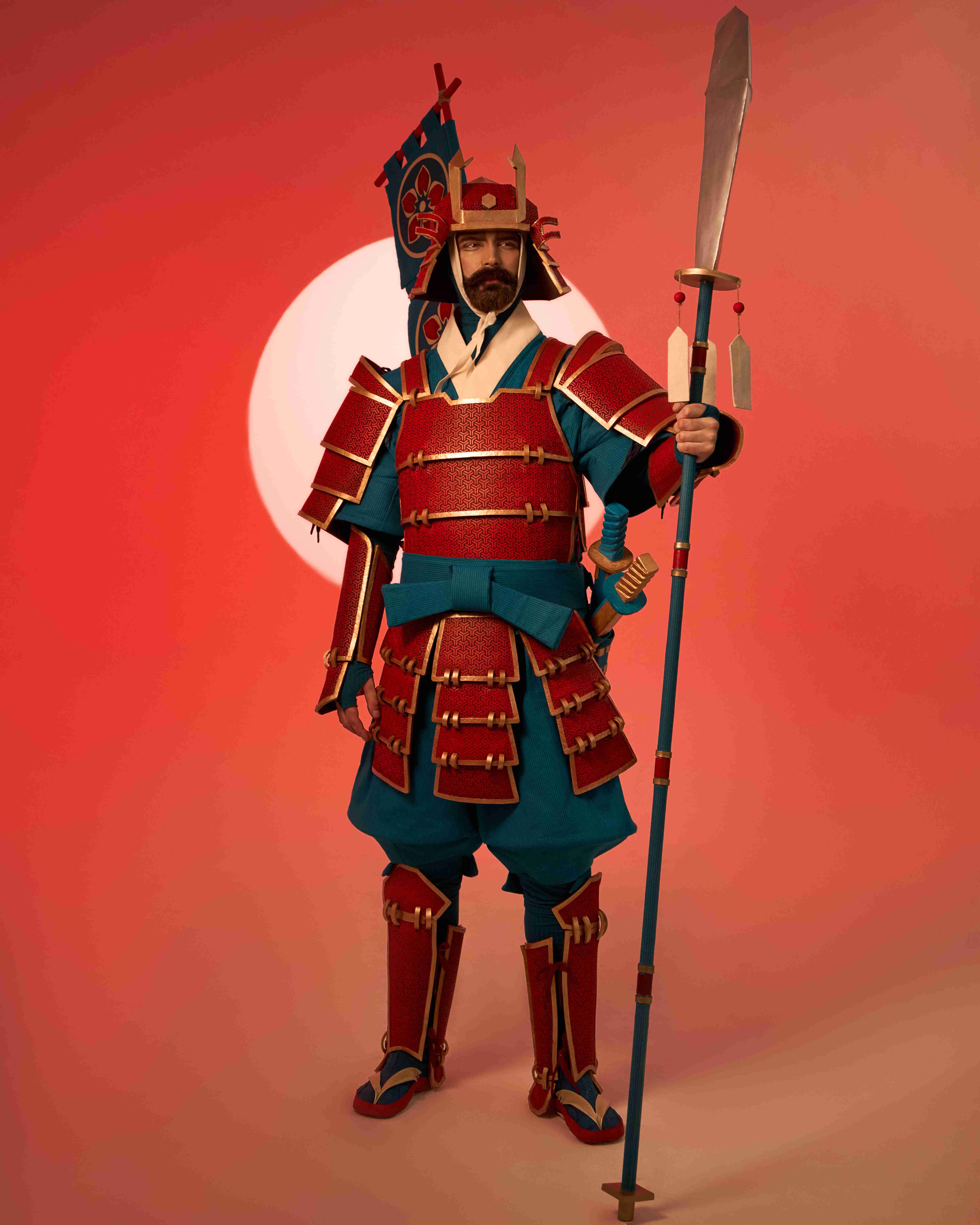
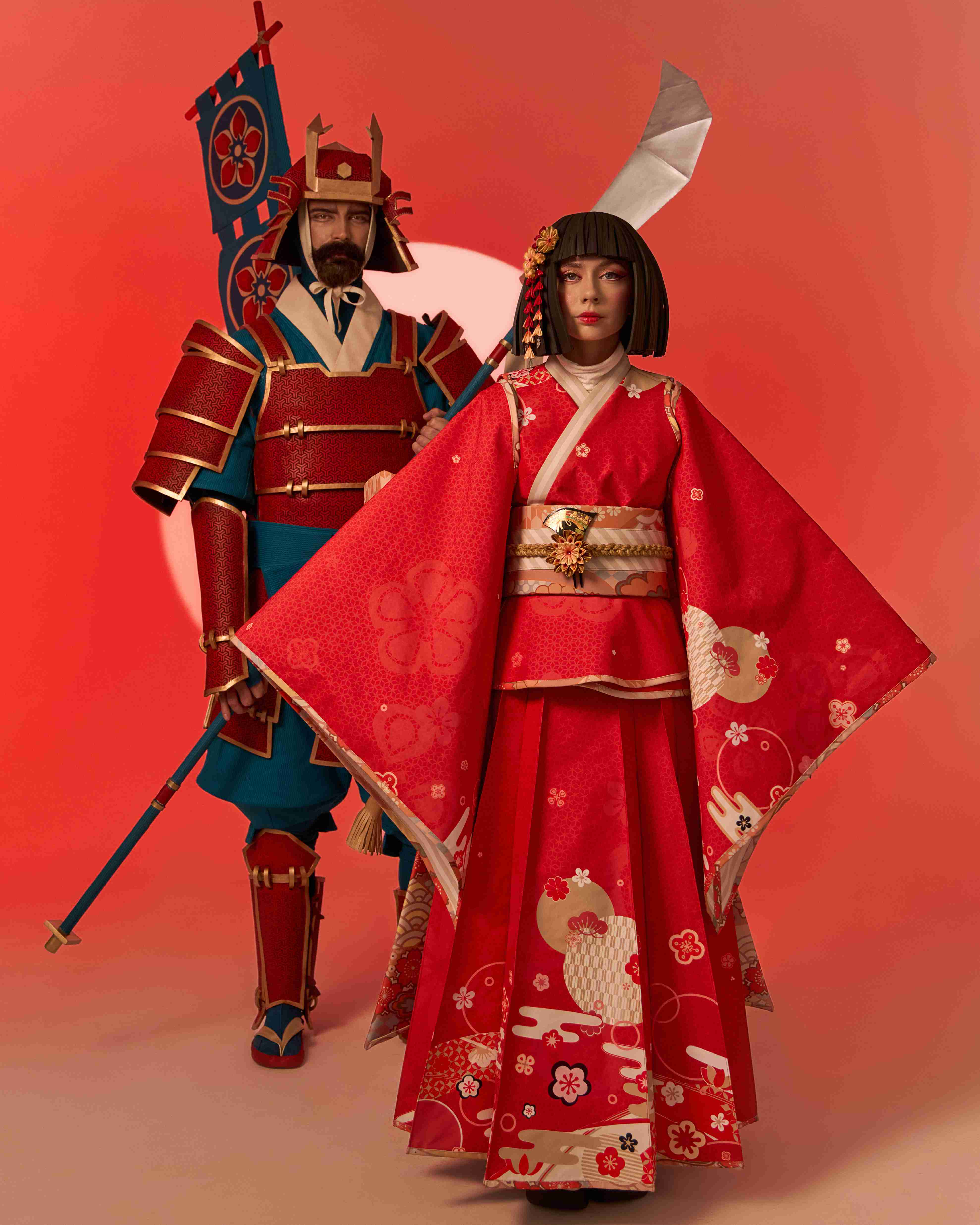
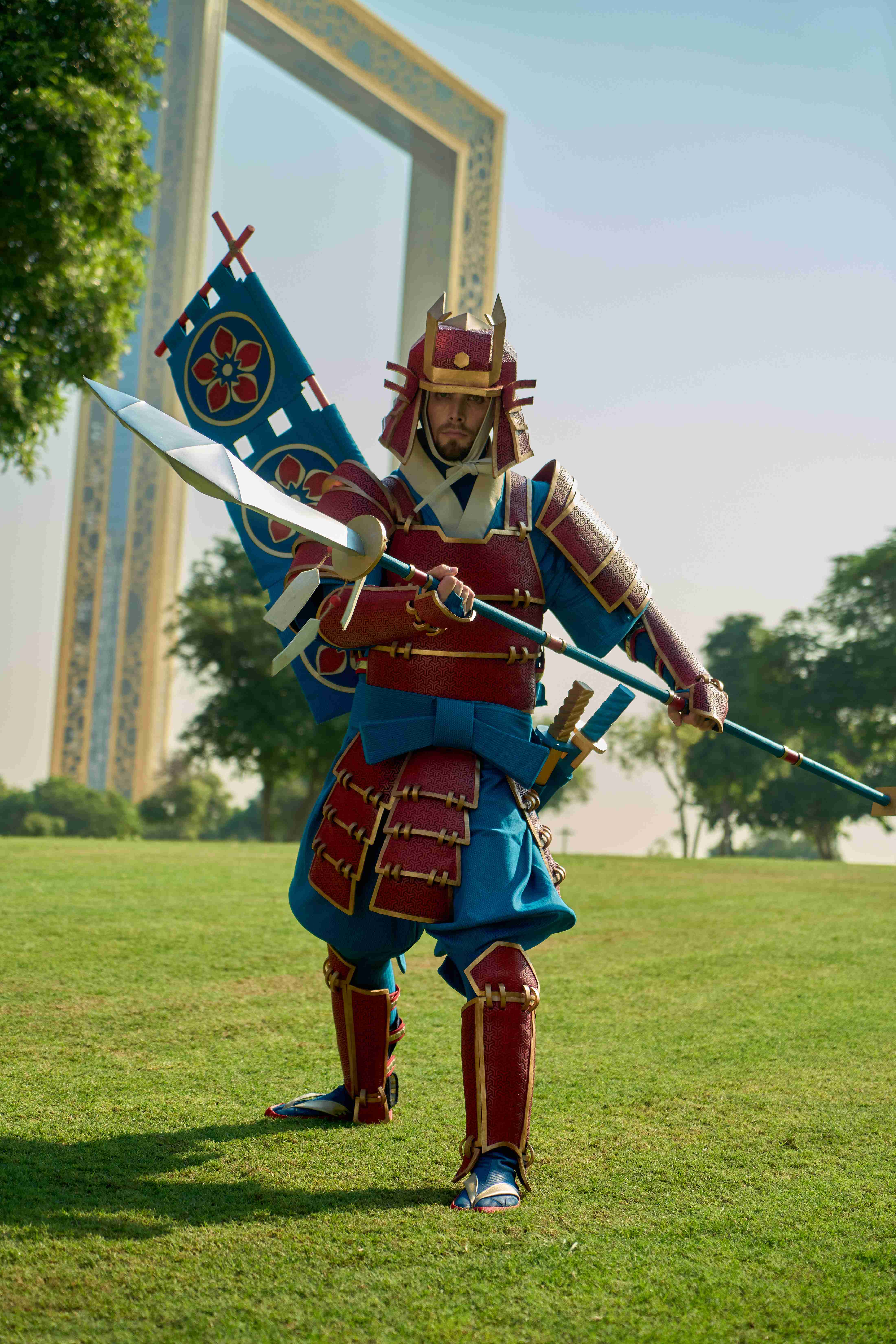
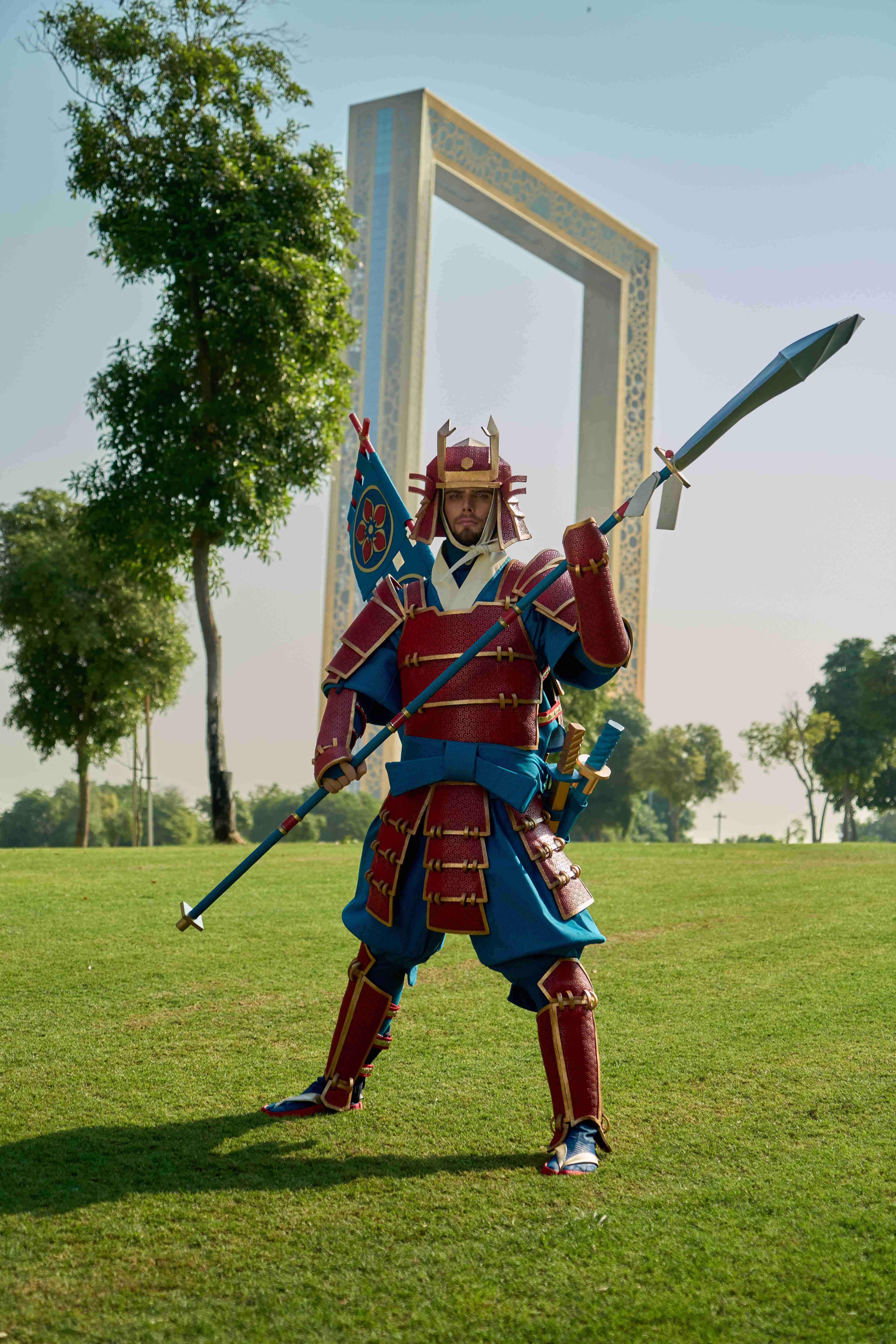
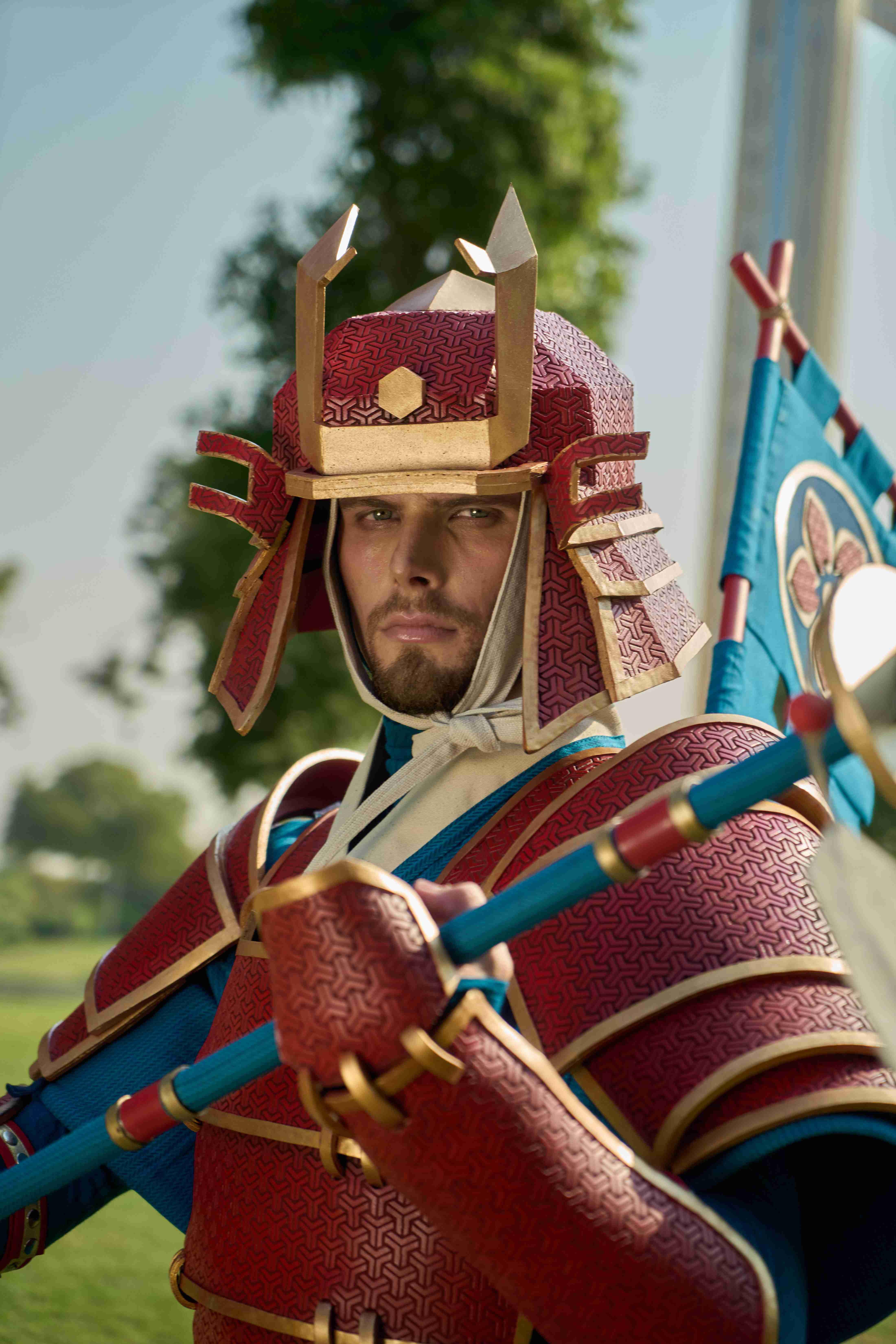
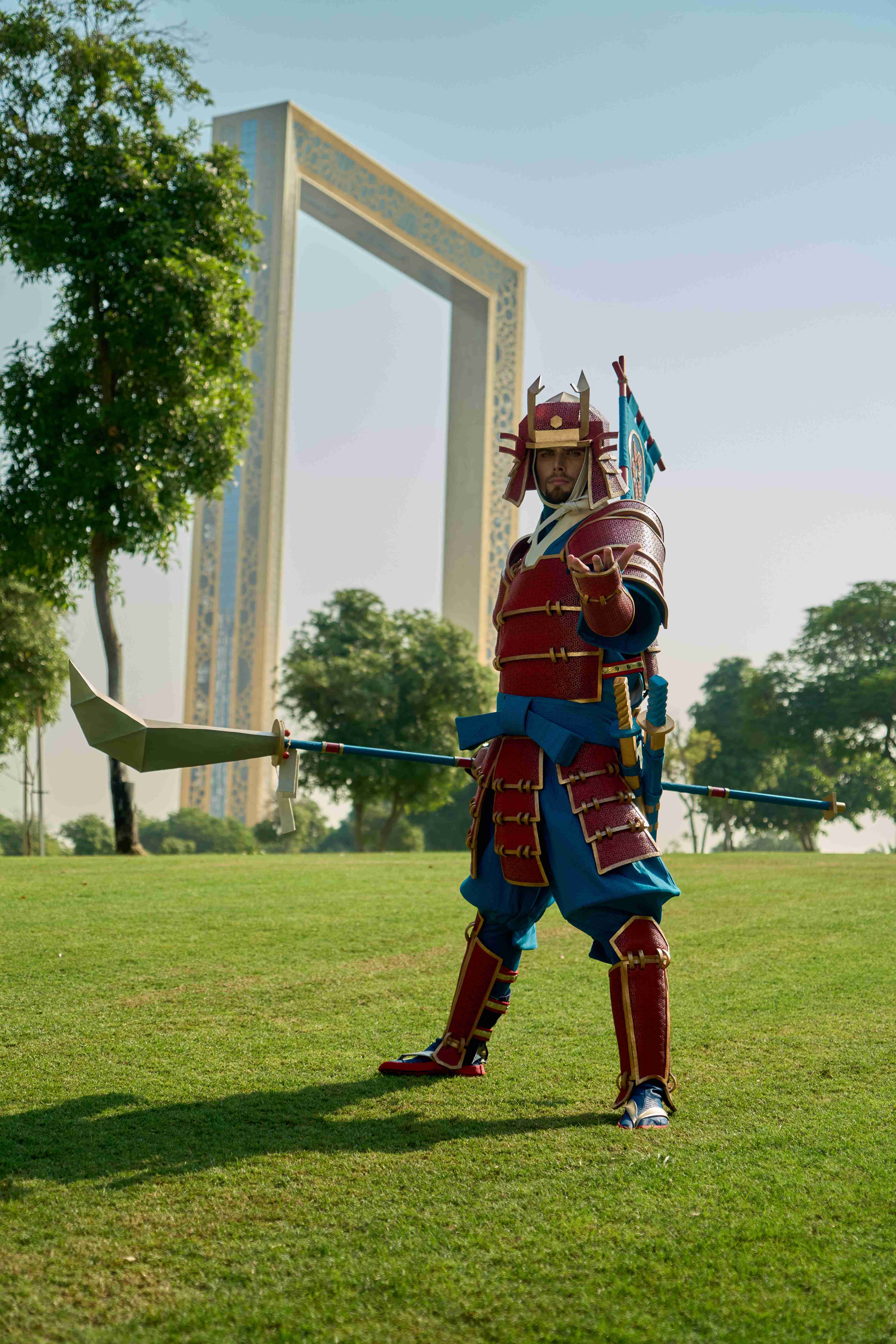
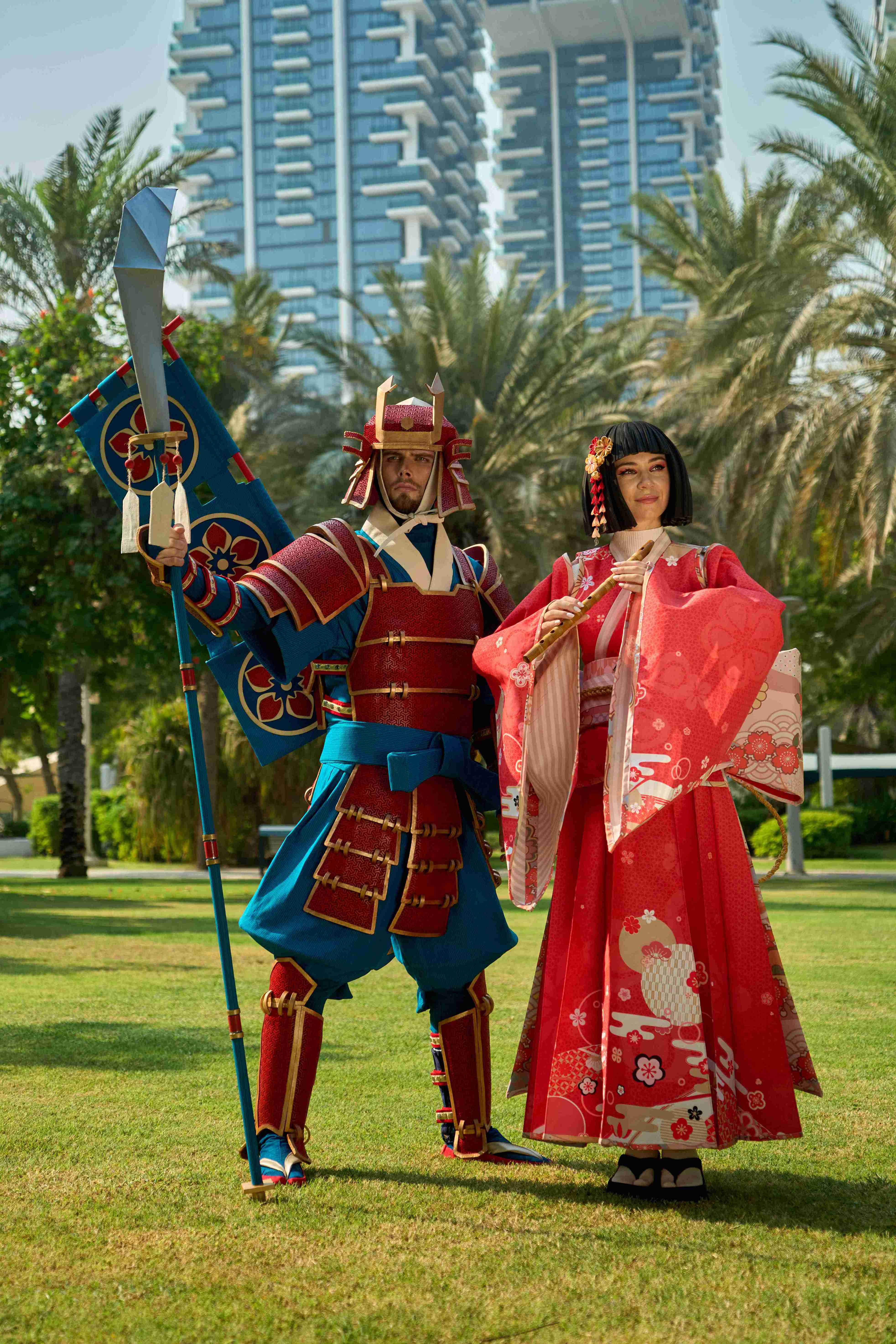
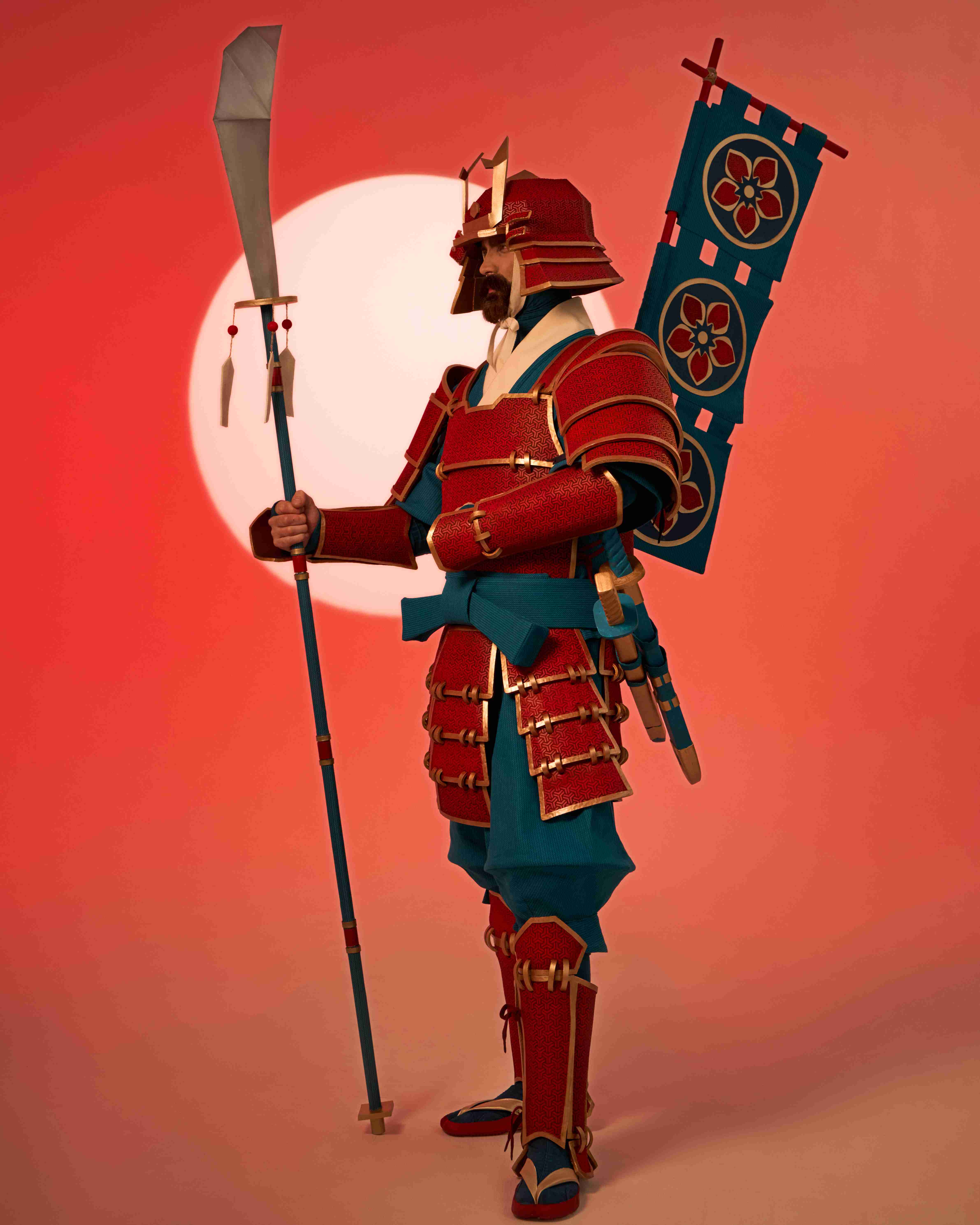
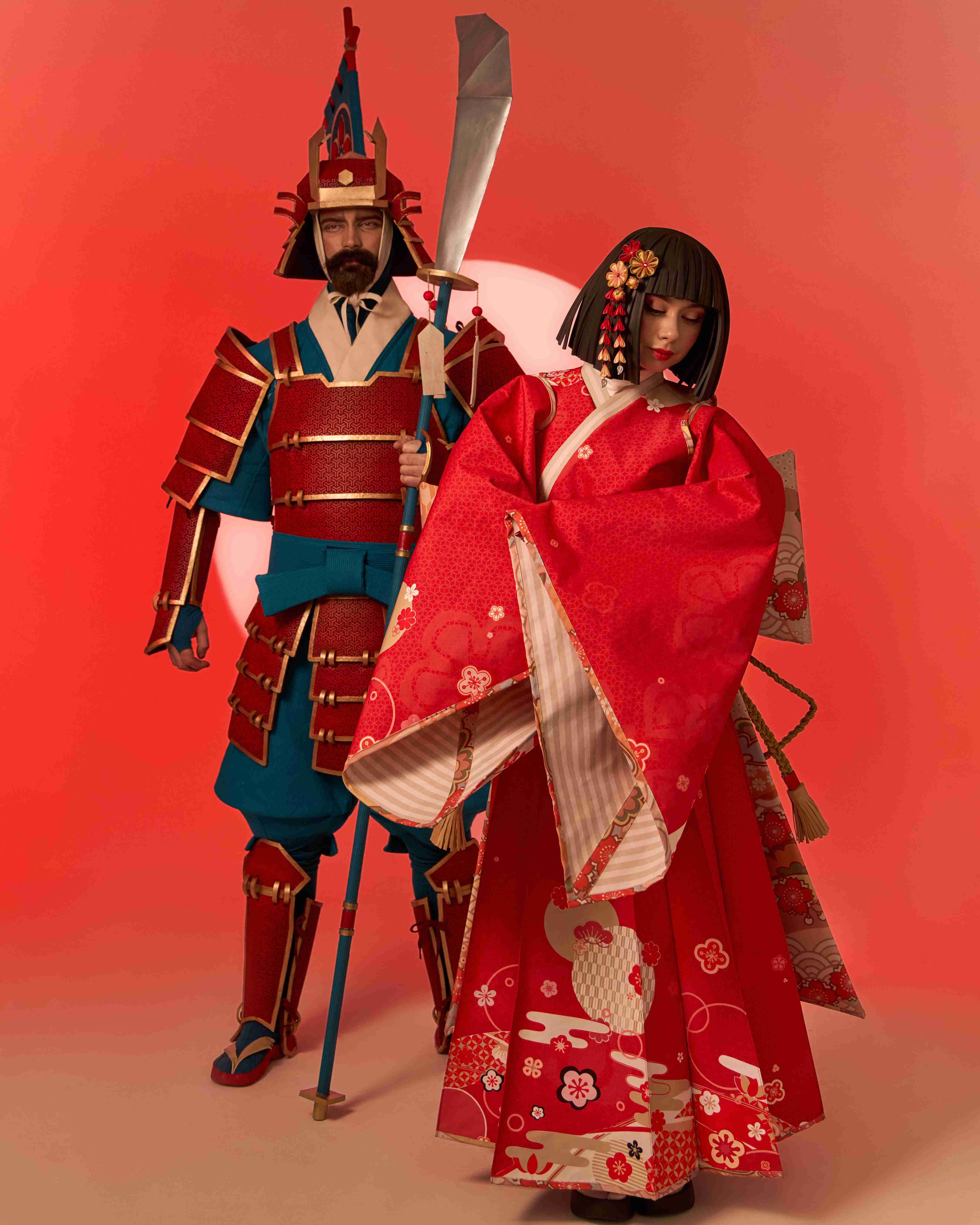
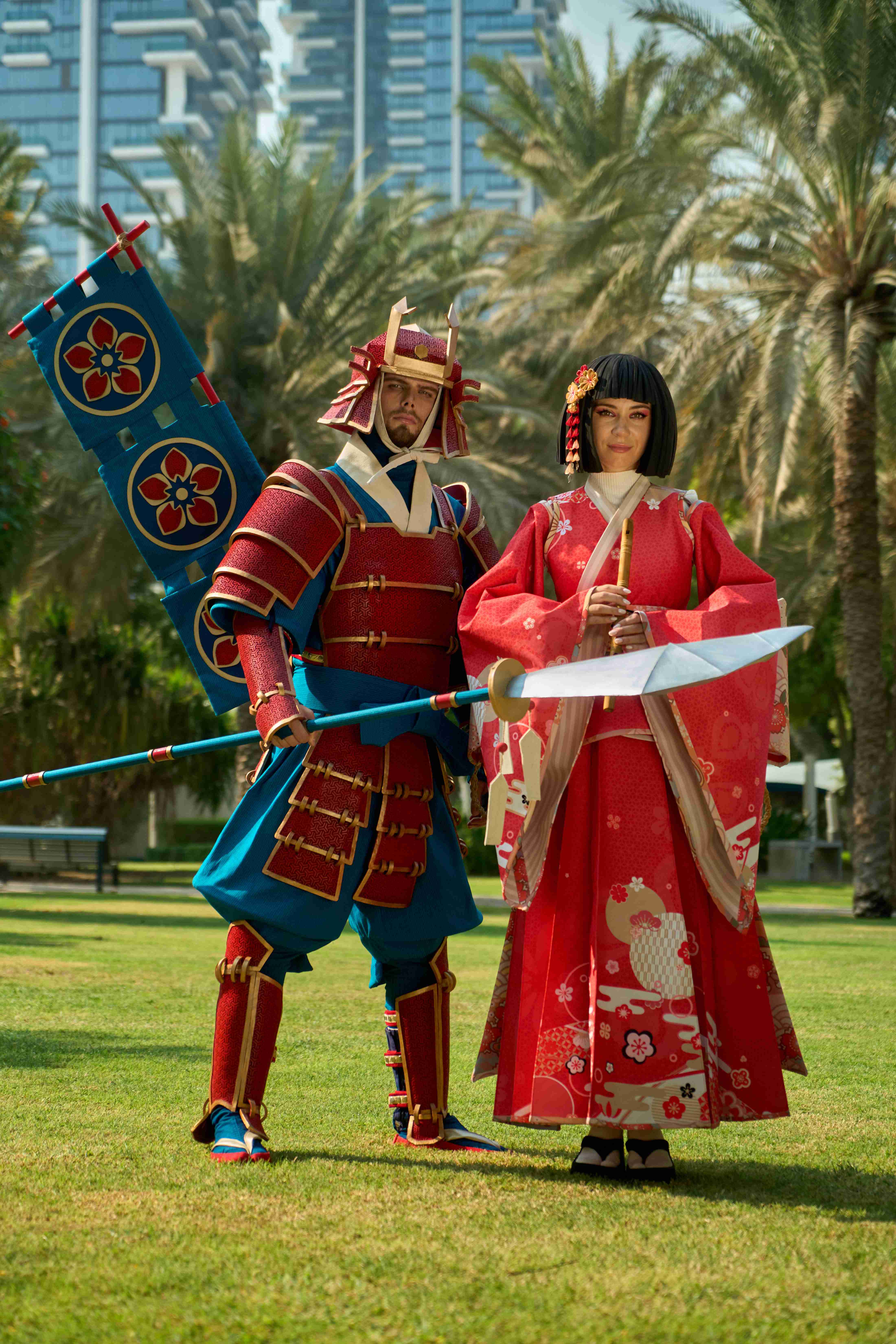
At the center of the procession is the main character, appearing on a platform shaped like an open book. Symbolic images emerge around her: the Crane Herald, opening the way and setting the rhythm of the story; dancers with umbrellas and fans, shaping the direction and pace of the movement; kitsune foxes, bringing twists and unexpected shifts; and samurai with bamboo staffs, embodying momentum and clarity.
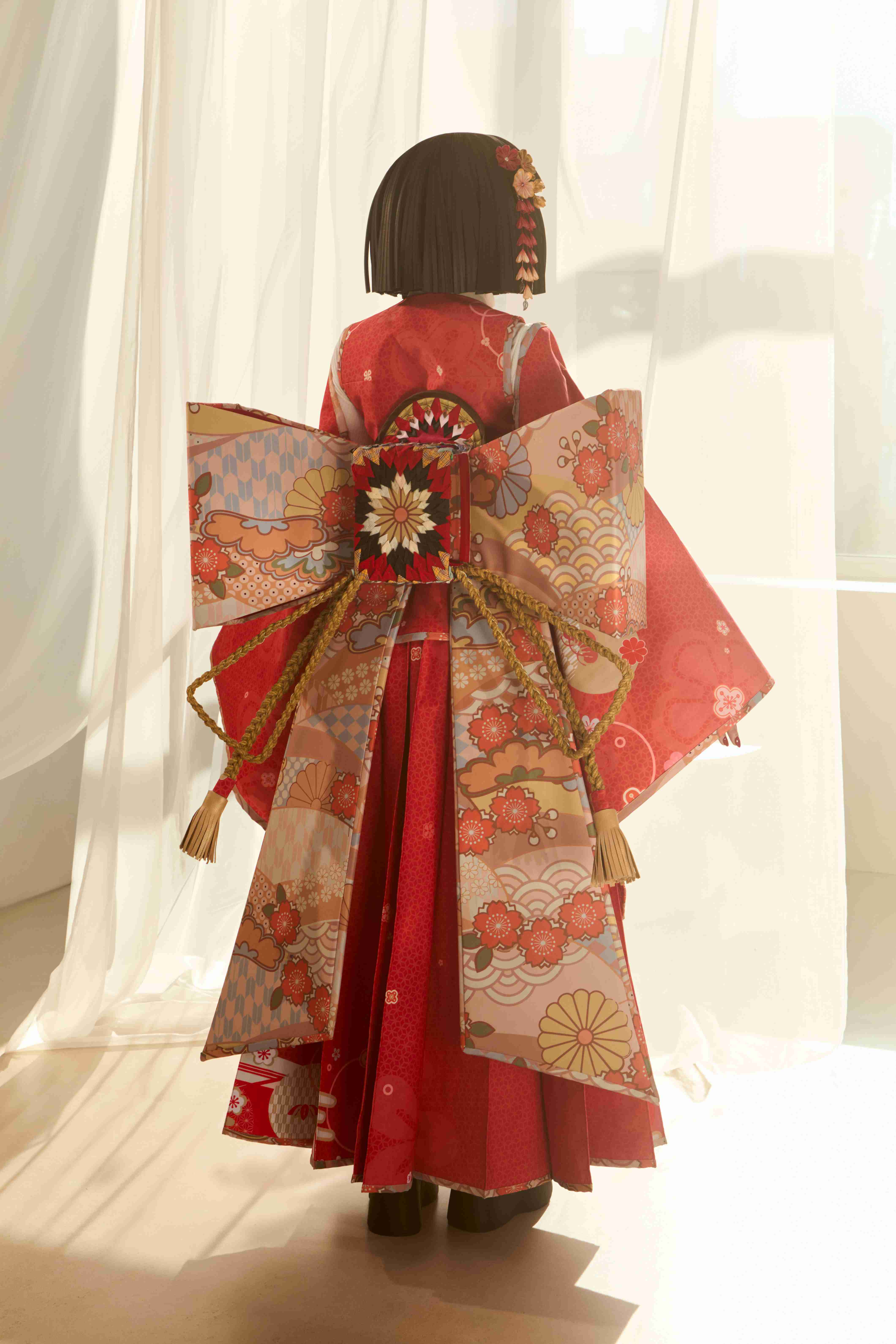
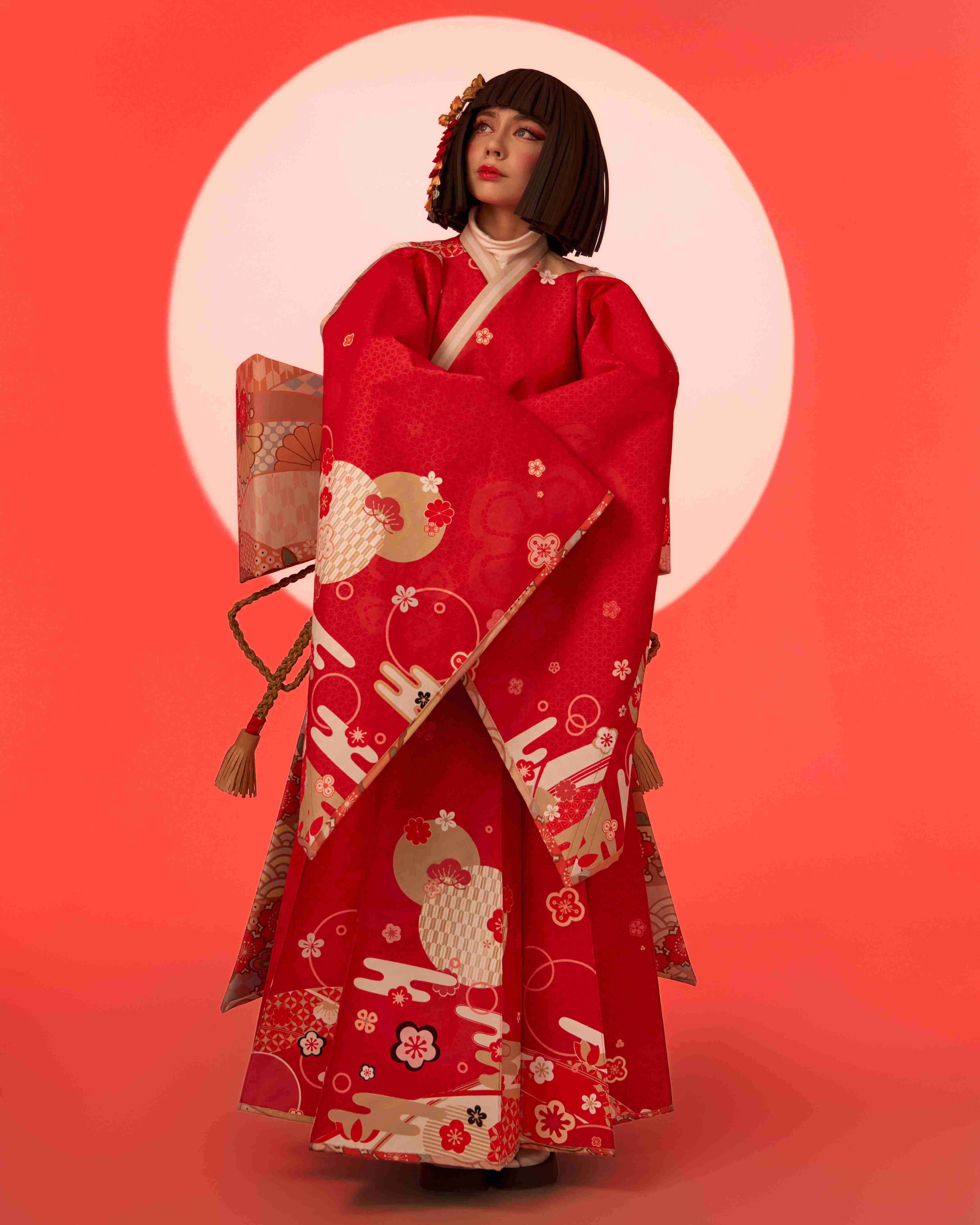
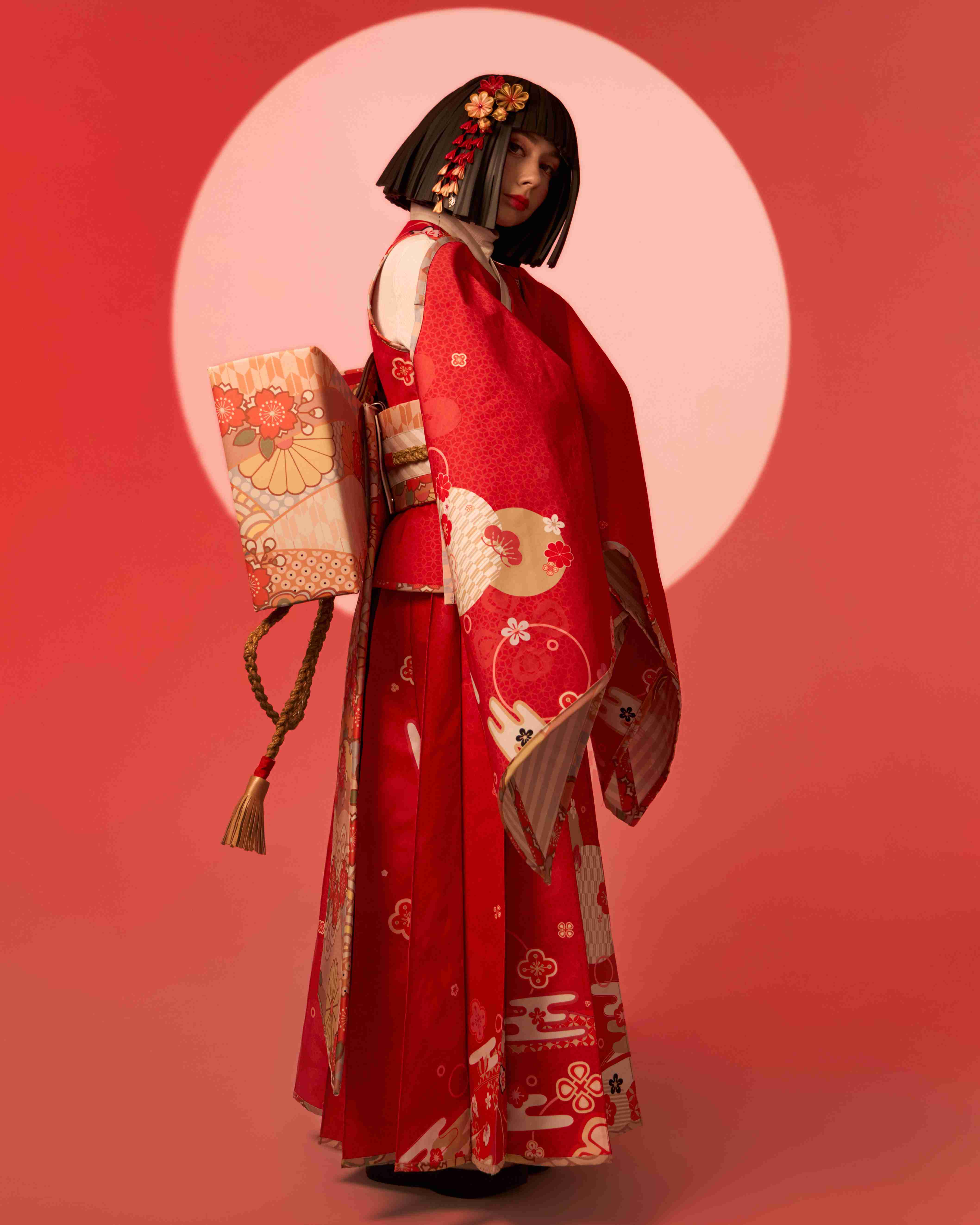
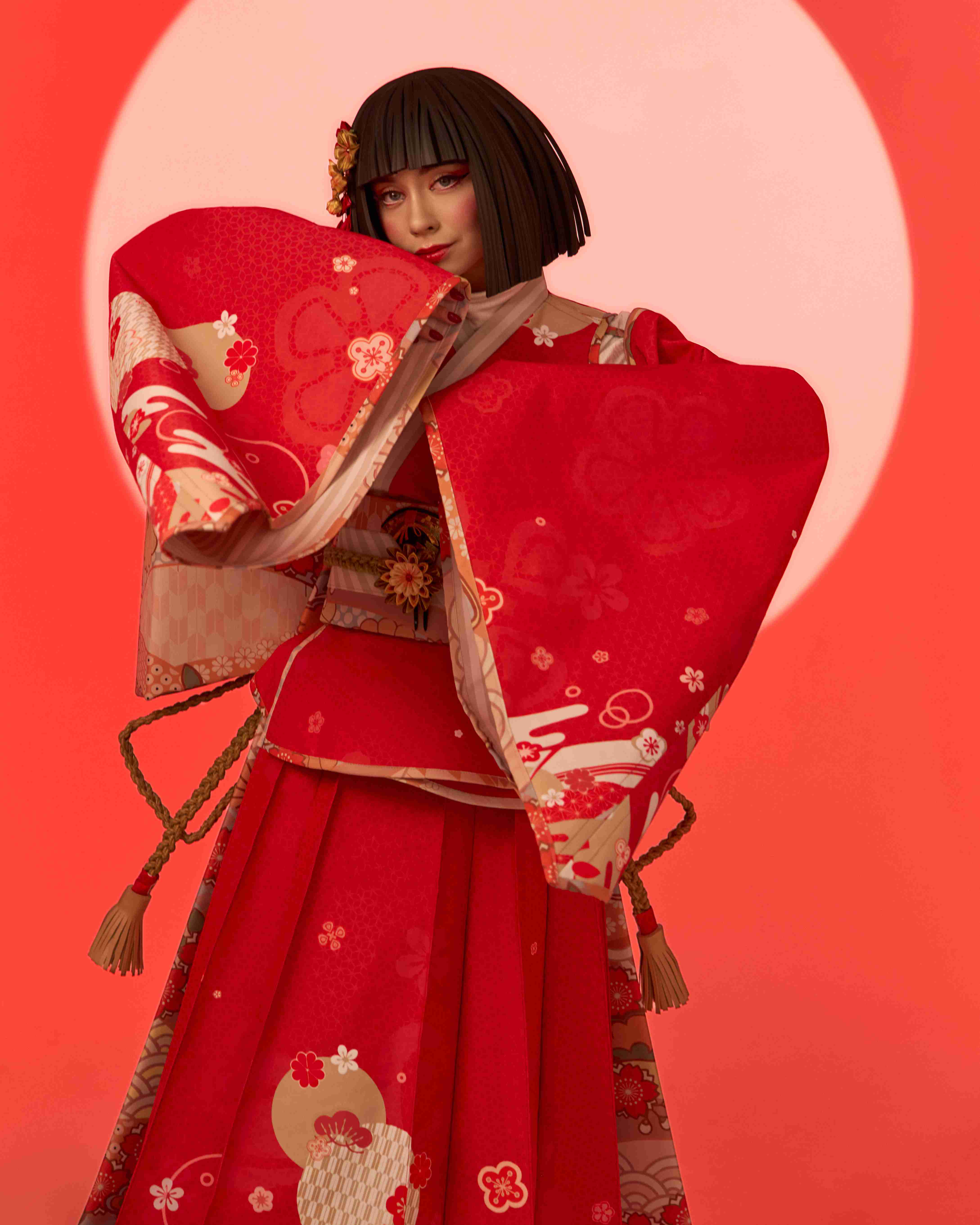
Paper isn't used literally, but its logic underlies the entire visual language: folds, layers, precision, fragility, and transformation. The costumes, movements, and composition are constructed as if each form were cut, folded, and assembled with the care and precision of paper art.
The Paper Wind creates a calm yet captivating atmosphere that draws attention without overcrowding the space. It's theater that exists not on stage, but in motion—through presence, gesture, and rhythm.
The format unfolds in urban spaces, parks, festivals, cultural programs, and curated events. Family-friendly, visually universal, requiring no translation, it is perceived as a story unfolding momentarily in space—fragile, precise, and memorable.
At Breakthrough Xclusive, we proudly present a diverse selection of over 5000 world-class artists who co-create unforgettable experiences around the globe. Each of our talented performers is meticulously selected to match your unique vision, ensuring every detail of the entertainment we produce aligns perfectly with the show we're creating together. Our artists aren’t just performers—they are the heartbeat of every performance, blending their expertise in dance, music, acrobatics, and other art forms to bring your event to life. With our global talent pool, we provide a tailor-made approach to each project, seamlessly collaborating with you to design shows that exceed expectations. Every show we produce is a full-scale entertainment experience, crafting a comprehensive production that tells a unique story, delivers unmatched quality, and engages audiences from start to finish. Explore our Limitless Show Concepts and let’s create something extraordinary together.